The problem with cat vigilantes
Why does New York City have both half a million feral cats, and a rat problem?
Let’s talk about the NYC Mayoral Election! I can’t wait for it to be over, and I also wish it would never end. Watching a reasonable, charismatic human leftist debate with Bill Ackman’s sock puppet and Raphael the Ninja Turtle’s godfather is an out-of-body experience. While I wasn’t born in this city, these days I identify more as a New Yorker than as an American. And this…this is my country.
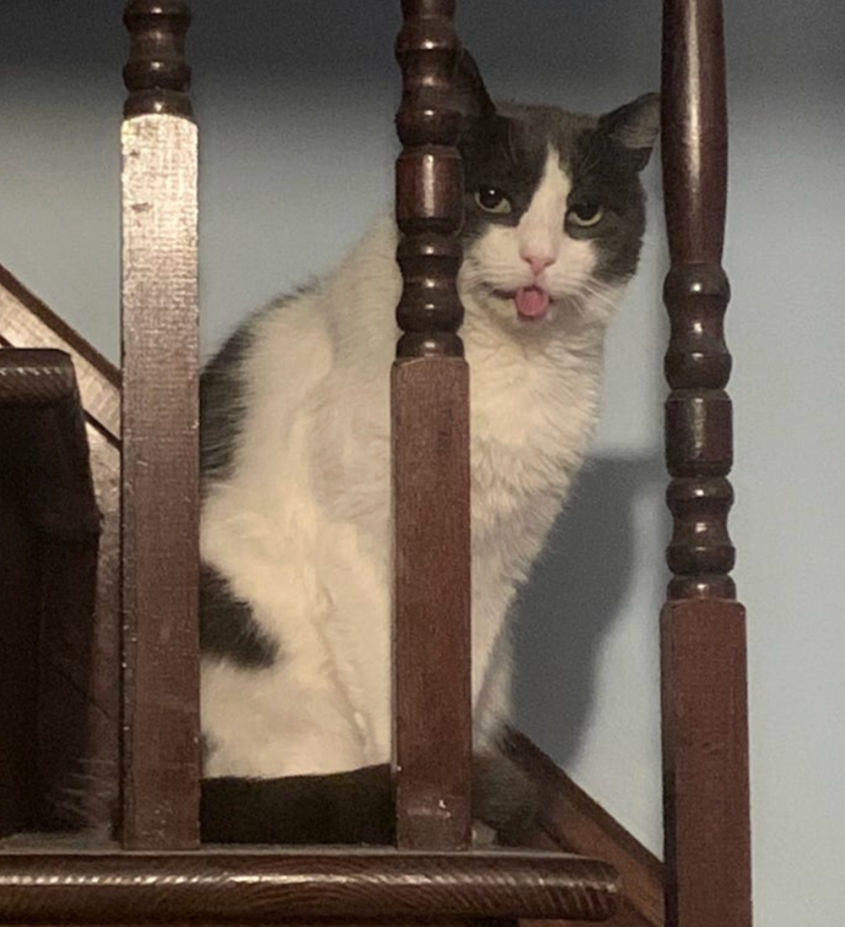
This is my president.
If you’ve been following the race, you know that Curtis Sliwa (Republican Jill Stein) loves cats. He currently has 6 of them, though at one point he and his wife were fostering 17. He’s running on the Animal Rights Independent party line, in addition to the Republican line. He recognizes that the ACC (NYC’s municipal shelter system) is underfunded and overwhelmed.1 And so it makes sense that, when asked about how he would control the rat problem in New York City, Sliwa suggested releasing bands of feral cats to patrol the streets. Call them the Claw-dian Angels.2
I kind of love (?) that this man’s ideas for the city begin and end with vigilanteism. Bands of cats in tiny red berets taking down rats sound pretty cute (and gross). There are a few indications, however, that this is totally implausible. The first one is that the city is already packed with cats.
The most common estimate is that there are between 500,000 and 1 million cats on the street across the five boroughs right now.3 It’s impossible to give an exact number, because cats are very hard to count, and also because that number is growing rapidly. Evictions are at their highest rate since 2018, which often results in more cats being placed outside. Cats reproduce rapidly - they go into heat a few weeks after giving birth, and can have up to five litters in a year. (If every litter has four kittens in it, that’s like twenty kittens.) Vet care is inaccessibly expensive for most people, so lots of owned pets go unneutered (meaning even more kittens that often end up outside). And the city (currently) has no formal structures in place to support TNR or rescue efforts, so all population management is falling on non-profits and independent rescuers, who just can’t handle the demand.
So we’ve got a lot of cats! And we’ve got a lot of rats. And the cats don’t seem to be doing anything about the rats. What’s the deal with that?
In 2018, researchers set out to determine what effect cats have on rat populations. They set up cameras in a Waste Management recycling plant in Brooklyn, where there was both an existing rat colony and a feral cat presence. They microchipped the rats and set up RFID scanners to track the paths that they took through the facility, and set up two motion-triggered infrared field cameras to take video. They collected video for 79 days, and then the cats’ behavior was categorized (as “walking”, “stalking”, “predation”, “sitting”, etc.).
Over the 79 days/nights that the cameras were running, 259 instances of feline behavior were recorded. And in all that video, cats pursued rats 3 times. And of those 3 predation attempts, 2 were successful.
So to be clear - in two and a half months, cats caught and killed two rats. Those two rats were smaller than the other rats in the colony, and were also hiding near cats’ preferred marking locations, indicating that they may have been sick. That’s not a very impressive hunting record.
Additionally, the rats’ space-use patterns shifted, meaning that they just started looking for food in spots of the facility where cats weren’t as present. They avoided the cats and…everyone was fine with that.
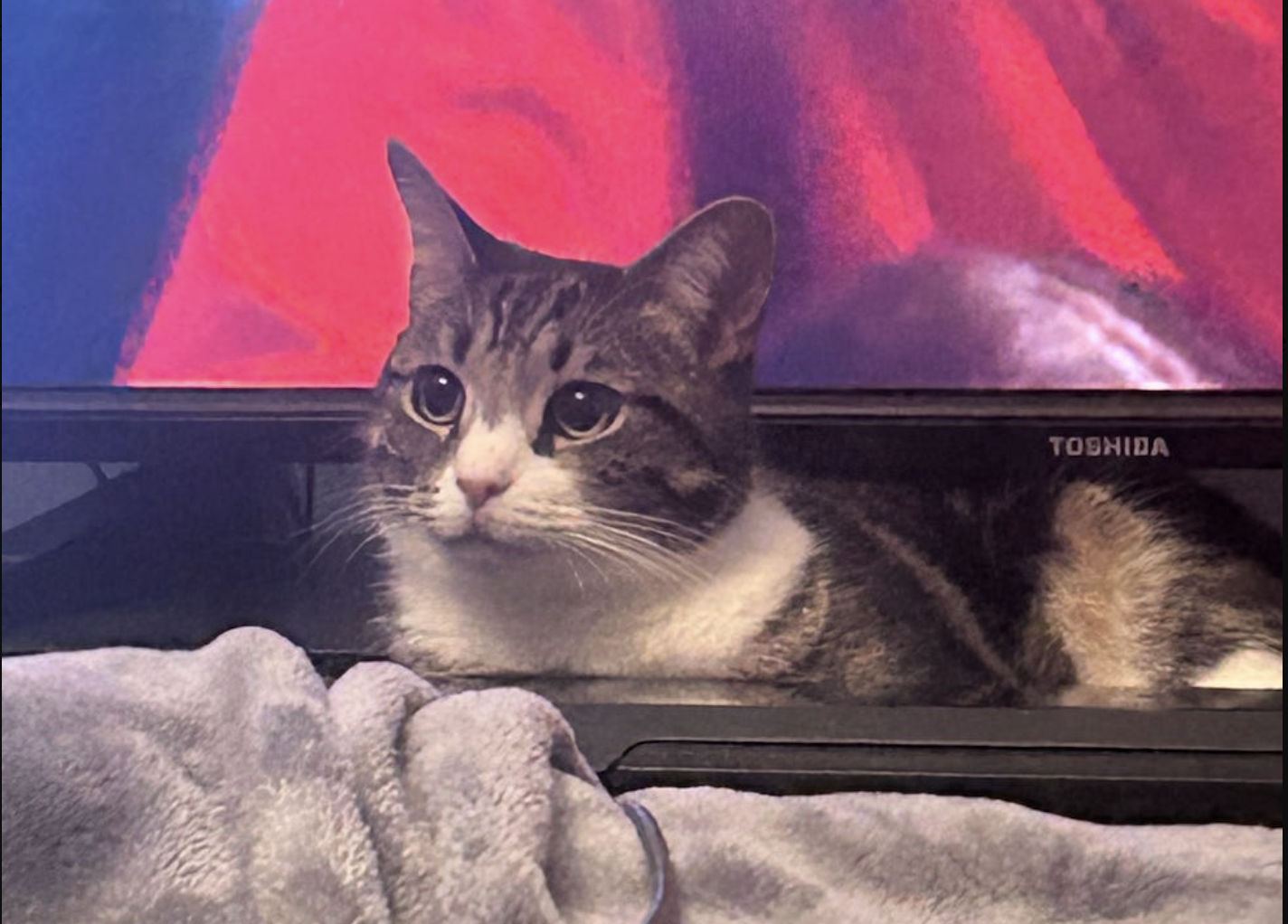
💖 Useless 💖
This isn’t a huge shock. Previous research has showed that cats tend to go after rodents that weigh less than 250 grams, and the average weight of the rats in this study was 337 grams. Some rats in NYC can get even bigger, thanks to the constant food supply - they can weigh over 900 grams (that’s 2 pounds). So yeah, cats aren’t going after those. Nor should they - those rats should be able to register to vote.
So Sliwa’s vigilante cat idea wouldn’t work. But fortunately, containerization does (and is continuing to) cut down on rat populations by cutting down on the available food supply. If only we didn’t need to hire McKinsey to tell us that.
Can you apply this to your own cats?
People tell me all the time that their cats “don’t like to play”. However, there are a few fundamental misunderstandings between cats and people about what constitutes a fun play session.
One of these misunderstandings is around what’s fun to chase (or stalk). Given that 1.) play is simulated hunting, and 2.) cats tend to go for small prey - maybe your unmotivated cat would like to go after something a little smaller than what you’ve got on offer. For cats who don’t get excited about toys, things like the Cat Dancer that have small cardboard “bugs” to chase can be a great option. You can also improvise interactive toys based on what they like to find on the floor - my cats love shoelaces, and hair bands tied to string. (Just be careful - make sure any toys that have string are put away in a drawer or a box with a cover to prevent accidents.)
This post originally appeared on my Substack, Cat People. To subscribe, click here.